
Nestlé
Swiss multinational food conglomerate, largest publicly held food company since 2014.

Jl FilpoC · CC BY-SA 4.0
Nestlé S.A. is a Swiss multinational food and drink processing conglomerate headquartered in Vevey, Switzerland. Since 2014, it has been the largest publicly held food company in the world by revenue and other metrics, ranking No.
- headquarters
- Vevey, Switzerland
- industry
- Food and drink processing
- key_products
- Coffee, tea, candy, bottled water, infant formula, dairy, frozen foods, pet foods, medical food
- major_brands
- Nespresso, Nescafé, Kit Kat, Smarties, Maggi, Stouffer's, among others
Lore & Background
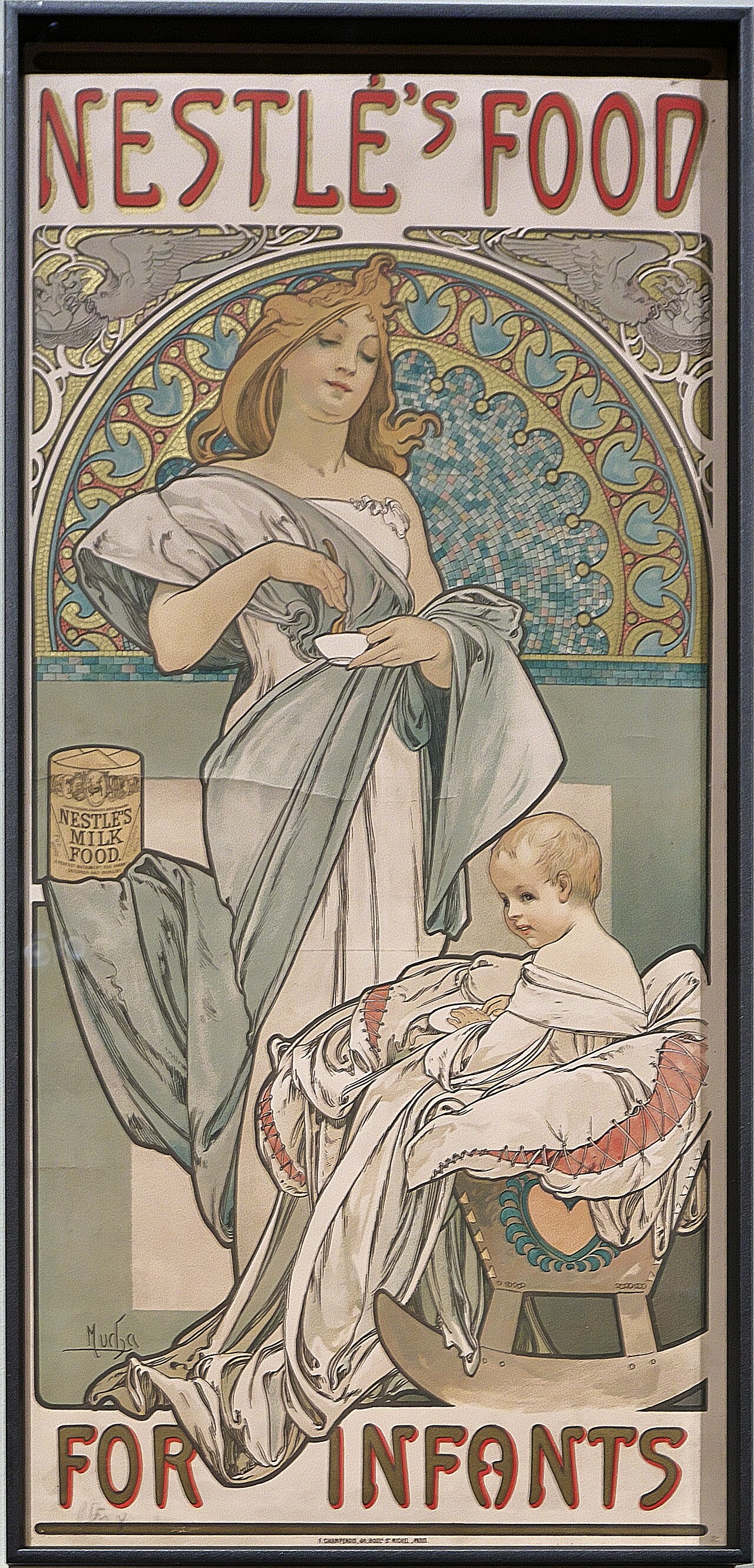
Nestlé's origins trace to two Swiss enterprises founded in the 1860s. The following year, Henri Nestlé developed a milk-based baby food in Vevey. During World War I, government contracts for dairy products doubled Nestlé's production. After the war, the company streamlined operations and expanded into chocolate, which became its second most important activity. World War II saw the introduction of Nescafé, which became a staple of the U.S. military. In the 1990s and 2000s, Nestlé expanded globally, acquiring San Pellegrino (1997), Ralston Purina (2002), Dreyer's ice cream, Gerber baby food (2007), and the Medical Nutrition division of Novartis (2007). The company also faced controversies, including a boycott in the 1970s over infant formula marketing in developing countries, criticism over child labor and deforestation in cocoa production, fines for price-fixing, and concerns about water extraction and plastic pollution.
Reader's Guide
Nestlé's significance lies in its transformation from a small Swiss baby-food maker into the world's largest publicly held food company, a position it has held since 2014. Its growth was driven by early mergers, strategic acquisitions across multiple food categories, and global expansion during both world wars. The company's portfolio spans coffee, confectionery, bottled water, infant formula, pet food, and medical nutrition, with 29 brands each generating over 1 billion CHF annually. Nestlé's legacy is complex: it pioneered infant formula and milk chocolate production, but also faced sustained criticism for its marketing practices in developing countries, labor issues in its supply chain, and environmental impacts. Its role as a major shareholder of L'Oréal and its history of corporate acquisitions illustrate its broad influence beyond food. The company's ability to adapt through wars, economic shifts, and changing consumer demands has made it a central player in global food systems, while its controversies have shaped public debate on corporate responsibility.
Did You Know?
- Twenty-nine of Nestlé's brands have annual sales over 1 billion CHF, including Nespresso, Nescafé, Kit Kat, and Maggi.
- Nestlé is one of the primary shareholders of L'Oréal, the world's largest cosmetics company.
- The company faced a boycott in the 1970s for promoting infant formula in developing countries, which discouraged breastfeeding.
A Portfolio Spanning the Globe
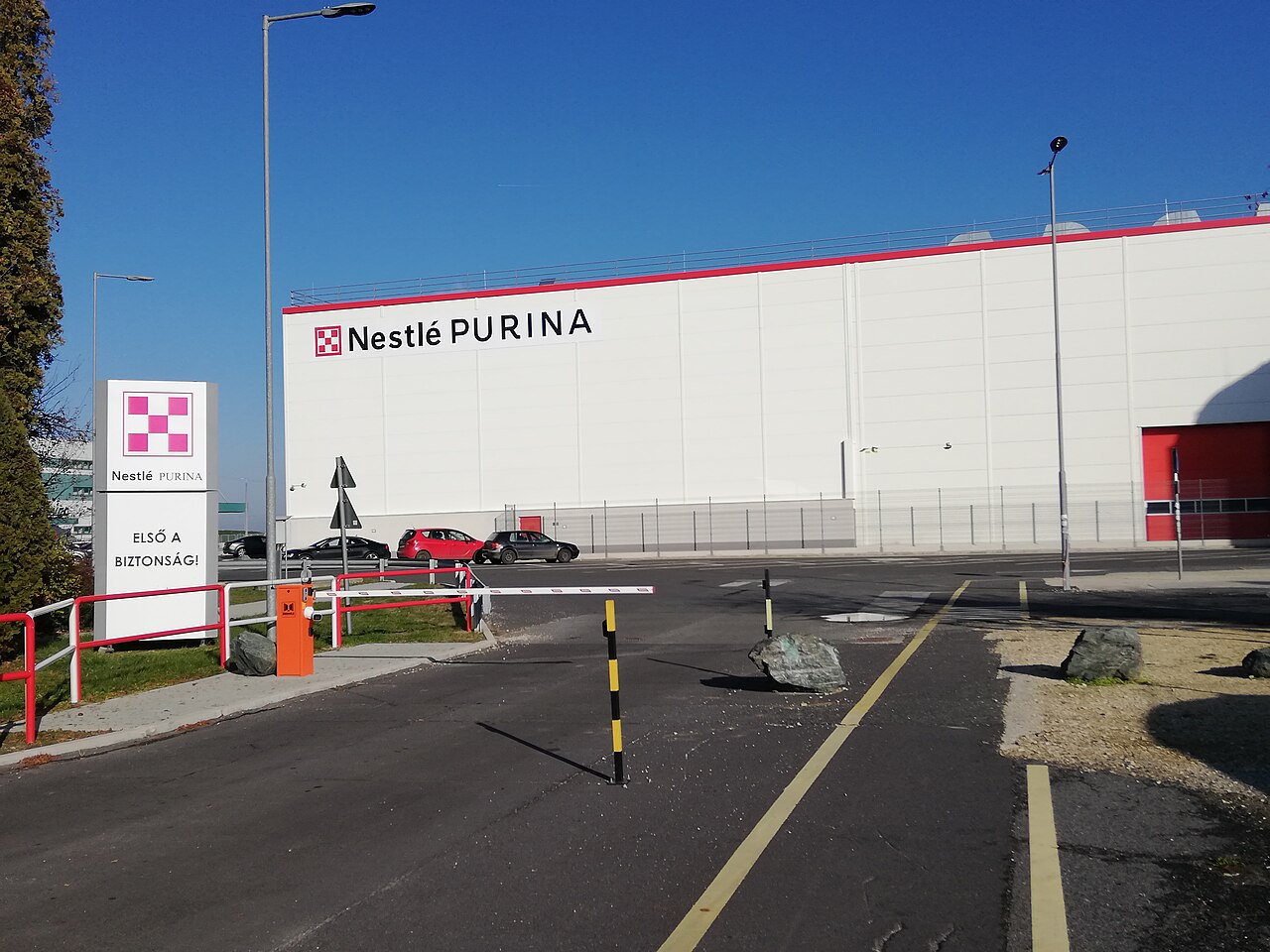
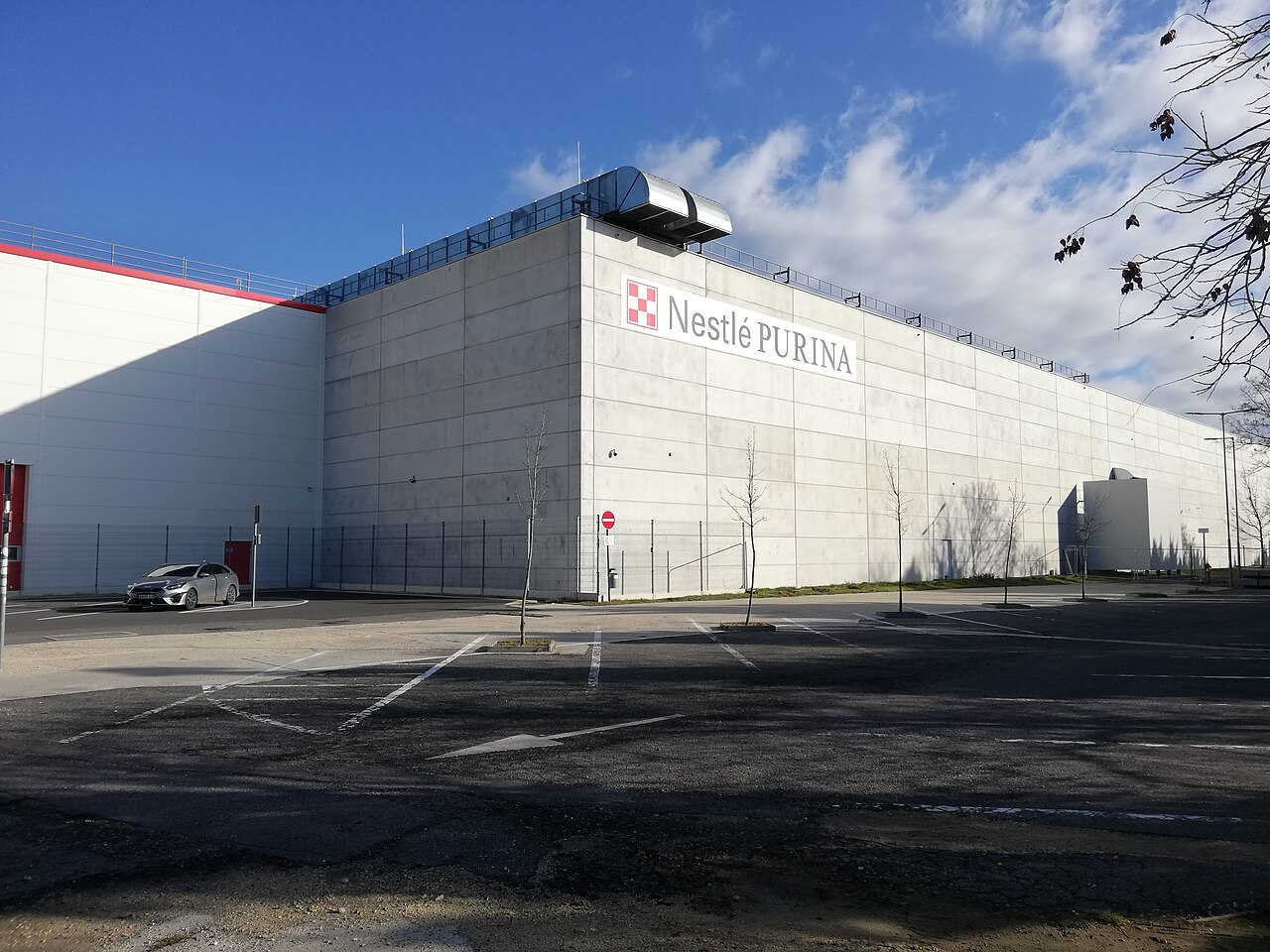
Rather than organizing these holdings by product type alone, the company categorizes them by the specific market they target, creating a taxonomy that stretches from everyday staples to highly specialized nutrition. On the beverage side, the lineup covers coffee and water, while the food categories span cereals, chilled items, chocolate and confectionery, and baked goods. The foodservice division carries names like Chef-Mate, Davigel, Minor's, and Santa Rica, aimed at professional kitchens. Nutrition-focused lines are particularly granular: healthcare nutrition, child nutrition, and performance nutrition—with brands such as Boost, Neston, Nesvita, Pria, and Supligen—each occupy their own shelf. Petcare falls under the Nestlé Purina umbrella, while refrigerated products include Buitoni and Toll House cookie dough. Seasonings like Maggi, Thomy, and Winiary, alongside shelf-stable names such as Coffee-Mate, Milo, and Nestlé Omega Plus, round out a catalog that touches nearly every meal and moment of daily life.
Equity Stakes and Strategic Exits
Beyond its own consumer brands, Nestlé has maintained significant equity positions in companies outside the food space, and its decisions to enter and exit those stakes reveal a long-term capital strategy. The most visible holding is a 23.29 percent stake in L'Oréal, the world's largest cosmetics and beauty company, whose portfolio includes Garnier, Maybelline, Lancôme, and Urban Decay. The Alcon story is even more dramatic. Novartis paid a combined 39.1 billion US dollars for the entire Alcon stake. More recently, Nestlé trimmed its position in Herta Foods, selling 60 percent to Casa Tarradellas in 2019 and retaining a 40 percent share. Together, these moves show a company comfortable holding strategic stakes for years before cashing out at scale.
The Long Arc of Brand Evolution
Nestlé's history is marked as much by what it has let go as by what it has built. The company's own records show a long trail of discontinued, renamed, or sold-off brands spanning every category. A cluster of North American bottled-water labels—Arrowhead, Deer Park, Ice Mountain, Poland Spring, and others—now sit under BlueTriton Brands, and French mineral waters like Plancoët and Sainte-Alix were handed to the Ogeu group. In petcare, Fido Freeze and Pet79 were both rebranded as Frosty Paws, and SnackAttack became Beggin' Strips. The health-and-nutrition portfolio saw an entire family of Wyeth, Promil, and Progress-branded products disappear. This constant reshuffling underscores that even a two-thousand-brand portfolio is never static.
The Great Confectionery Unwind
No single category illustrates Nestlé's willingness to prune its portfolio more vividly than confectionery. That single deal represented a significant retrenchment from a category in which Nestlé had long competed. Wonder Ball was passed to Frankford Candy & Chocolate Company, and Fox's hard candies exited the lineup as well. The pattern is clear: Nestlé has steadily narrowed its confectionery focus, trading breadth for concentration in the categories where it can compete most effectively.
Gallery
Frequently Asked Questions
Who is Nestlé?
Nestlé S.A. is a Swiss multinational conglomerate specializing in food and beverage processing. It has held the position of the world's largest publicly traded food company by revenue since 2014.
What products and brands does Nestlé own?
The portfolio covers a wide range of categories including coffee (Nescafé, Nespresso), candy (Kit Kat, Smarties), infant formula, bottled water, dairy, frozen meals (Stouffer's), pet food, and medical nutrition. These are sold under hundreds of sub-brands worldwide.
Where is Nestlé headquartered?
The company is based in Vevey, Switzerland, a town situated on the shore of Lake Geneva.
More in Companies And Brands 1-23
Spotted an error? Know more?
This is a living reference — every entry is fact-audited, and reader corrections feed straight into our audit queue. Suggest an edit · See this site's audit record