
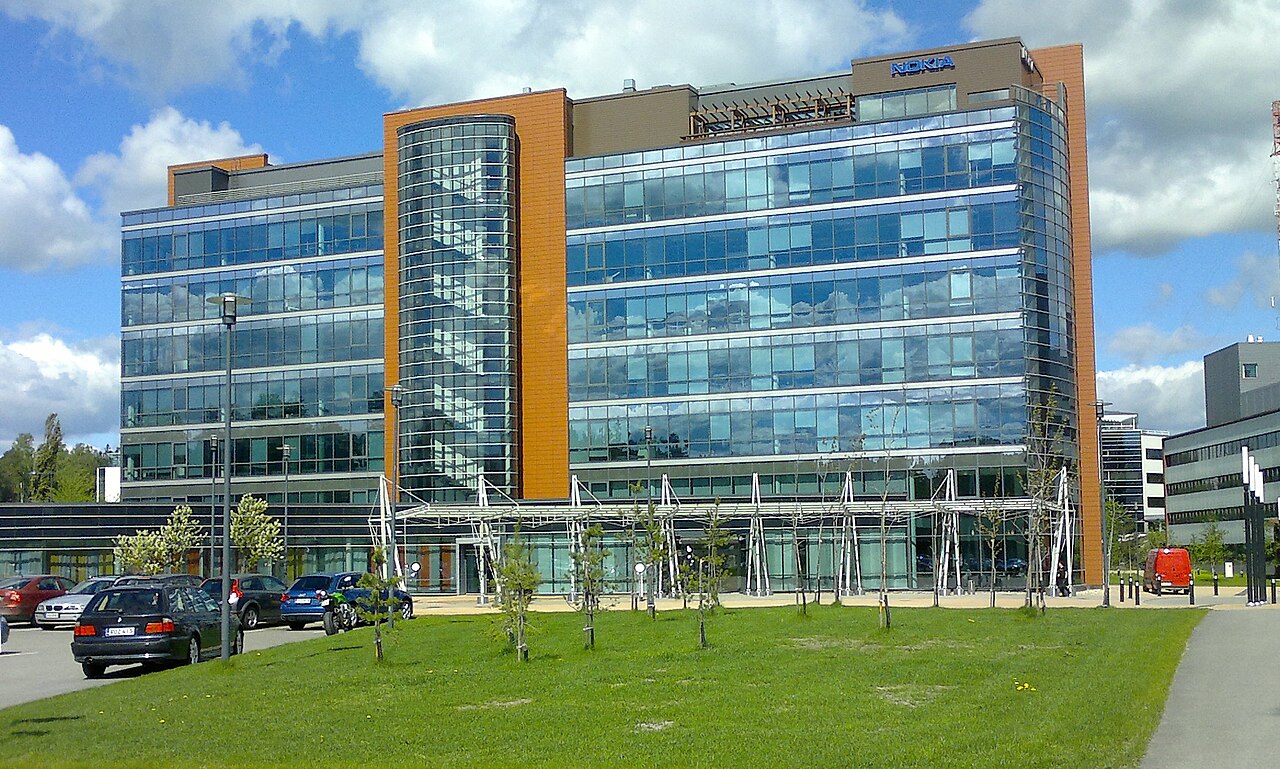
Nokia
Finnish telecom giant that dominated mobile phones for a decade.

Oktoober · CC BY-SA 4.0
After a decline in the late 2000s, it sold its mobile phone business to Microsoft in 2014 and refocused on telecommunications infrastructure and technology licensing.
- headquarters
- Espoo, Finland
- field
- Telecommunications, information technology, consumer electronics
- nationality
- Finnish
Lore & Background
Under CEO Kari Kairamo, Nokia acquired television makers Salora, Luxor AB, and Oceanic, becoming Europe's third-largest television manufacturer. Jorma Ollila became CEO in 1992 and focused the company on telecommunications, leading to rapid growth. Nokia's mobile phone business made it by far the largest worldwide company and brand from Finland. At its peak in 2000, Nokia accounted for 4% of Finland's GDP, 21% of total exports, and 70% of the Nasdaq Helsinki market capital. After poor management decisions in the later 2000s, its market share dropped sharply. In 2014, Microsoft bought Nokia's mobile phone business. The Nokia brand returned to mobile phones in 2016 through a licensing arrangement with HMD.
Reader's Guide
Nokia's significance lies in its transformation from a 19th-century pulp mill into a global telecommunications powerhouse that shaped modern mobile communications. It played a key role in developing GSM, 3G, and LTE standards, and for a decade was the world's largest mobile phone vendor, becoming a symbol of Finnish national pride. At its peak in 2000, it contributed 4% of Finland's GDP and 21% of its exports. However, a series of poor management decisions in the late 2000s led to a sharp decline in its mobile phone market share, culminating in the sale of that business to Microsoft in 2014. Nokia then pivoted to telecommunications infrastructure, acquiring Alcatel-Lucent and its Bell Labs, and became a major patent licensor. Its legacy includes both a cautionary tale of rapid corporate rise and fall and a continued influence as a network equipment manufacturer and technology licensor.
Did You Know?
- At its peak in 2000, Nokia accounted for 4% of Finland's GDP and 70% of the Nasdaq Helsinki market capital.
- Nokia assisted in the development of the GSM, 3G, and LTE mobile standards.
- The company also made respirators for civilian and military use from the 1930s into the early 1990s.
From Pulp to Power — A 150-Year Reinvention
What started as papermaking gradually absorbed rubber manufacturing, cable production, and even respirator design for civilian and military use. Under CEO Kari Kairamo from 1977, the company aggressively acquired television makers—Salora, Luxor, Oceanic—becoming Europe's third-largest TV producer.
The Decade of Dominance and the Sudden Fall
For a full decade, Nokia was the default phone in billions of hands worldwide. Then, a cascade of poor strategic and management choices in the late 2000s eroded its market share rapidly. By 2014, the mobile phone and services division was sold to Microsoft, which absorbed it as Microsoft Mobile, ending an era that had defined Finnish industry for over a century.
Rebuilding as an Infrastructure Powerhouse
After shedding its handset business, Nokia redirected its considerable engineering resources toward telecommunications infrastructure, a domain where it had been quietly building expertise for decades. The 2016 acquisition of Alcatel-Lucent—complete with the storied Bell Labs research organization—signaled a serious commitment to next-generation network technology. The company also divested its Here mapping unit and explored adjacent fields such as the Internet of Things, virtual reality, and digital health through the purchase of Withings. The Nokia name reappeared on consumer smartphones in 2016, but only through a licensing deal with HMD, meaning the brand now rides on a partnership rather than in-house production.
A Nation's Economic Backbone
Few companies have shaped a country's global image as profoundly as Nokia shaped Finland's. At its 2000 peak, the mobile phone division alone contributed four percent of Finland's entire GDP, accounted for roughly a fifth of all national exports, and represented seventy percent of the total market capitalization on the Nasdaq Helsinki exchange. For Finns, Nokia was not merely a corporation but a source of collective pride—the largest brand and company the country had ever produced. This economic centrality also intersected with geopolitics: during the Cold War, Nokia's trade with the Soviet Union, which included automatic telephone exchanges and robotics, generated substantial profits but eventually drew American concern over high-technology exports. The company's later rise and fall thus mirrored the broader fortunes of a small Nordic nation finding its place in the global economy.
Gallery
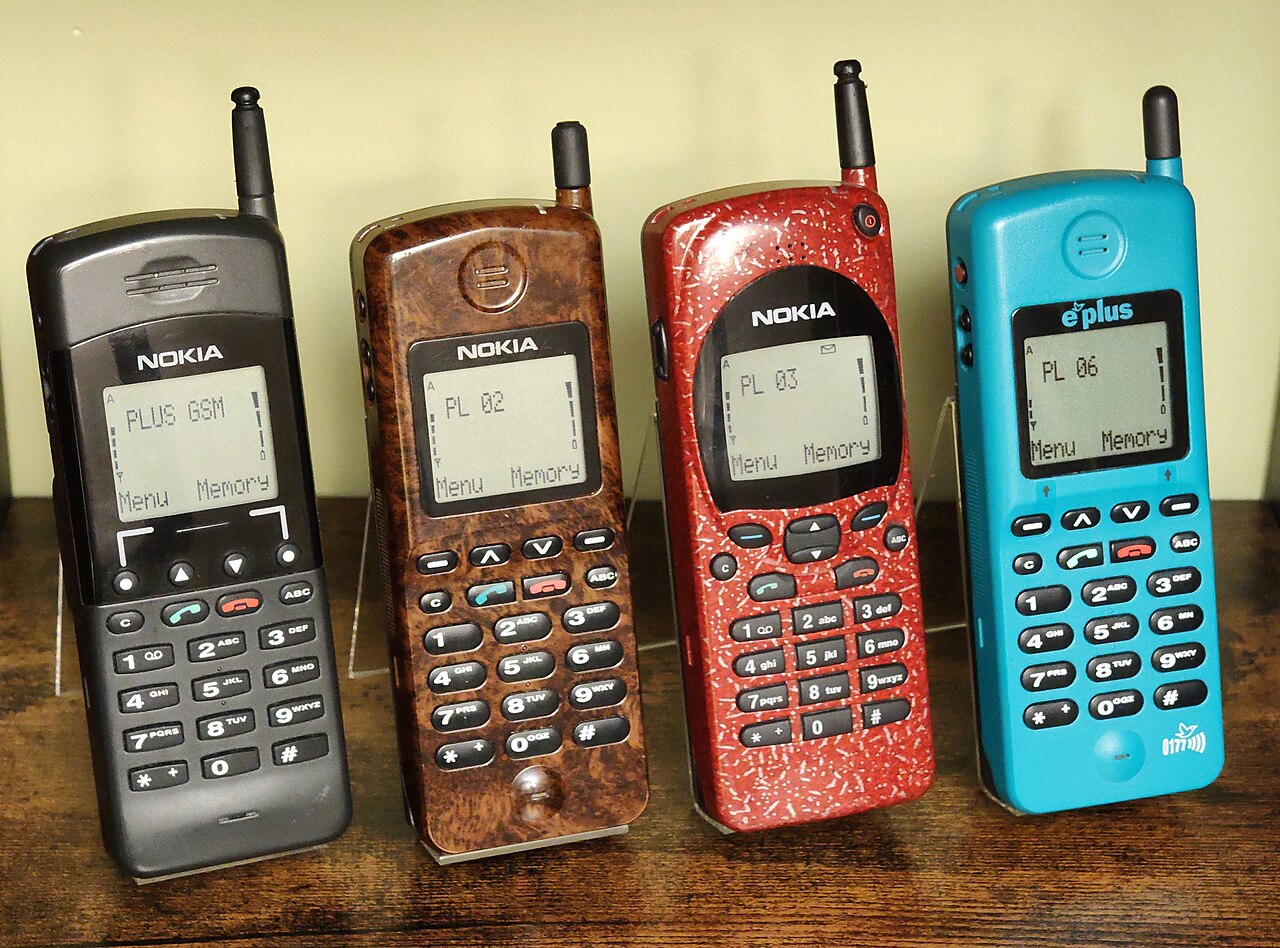
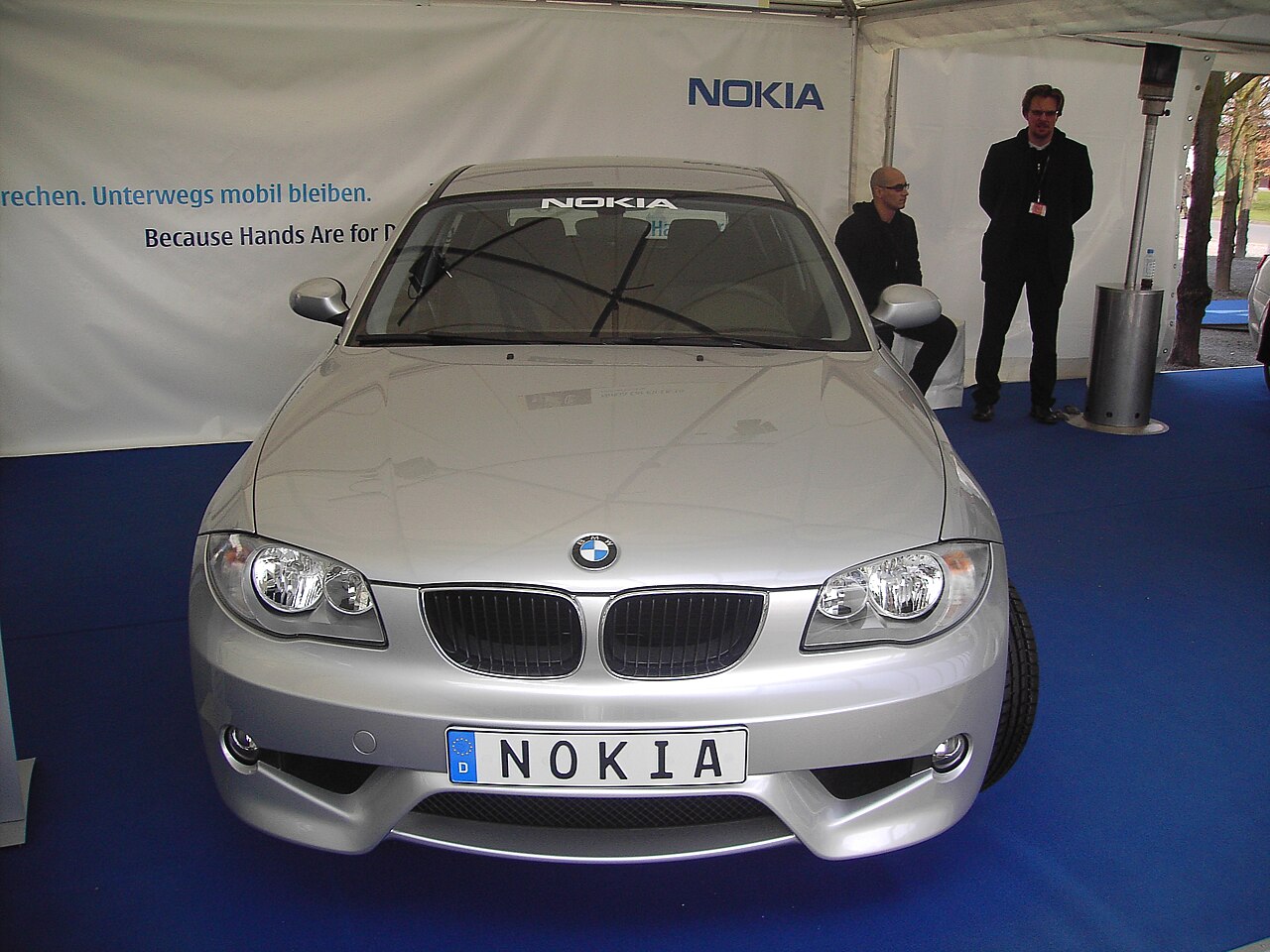
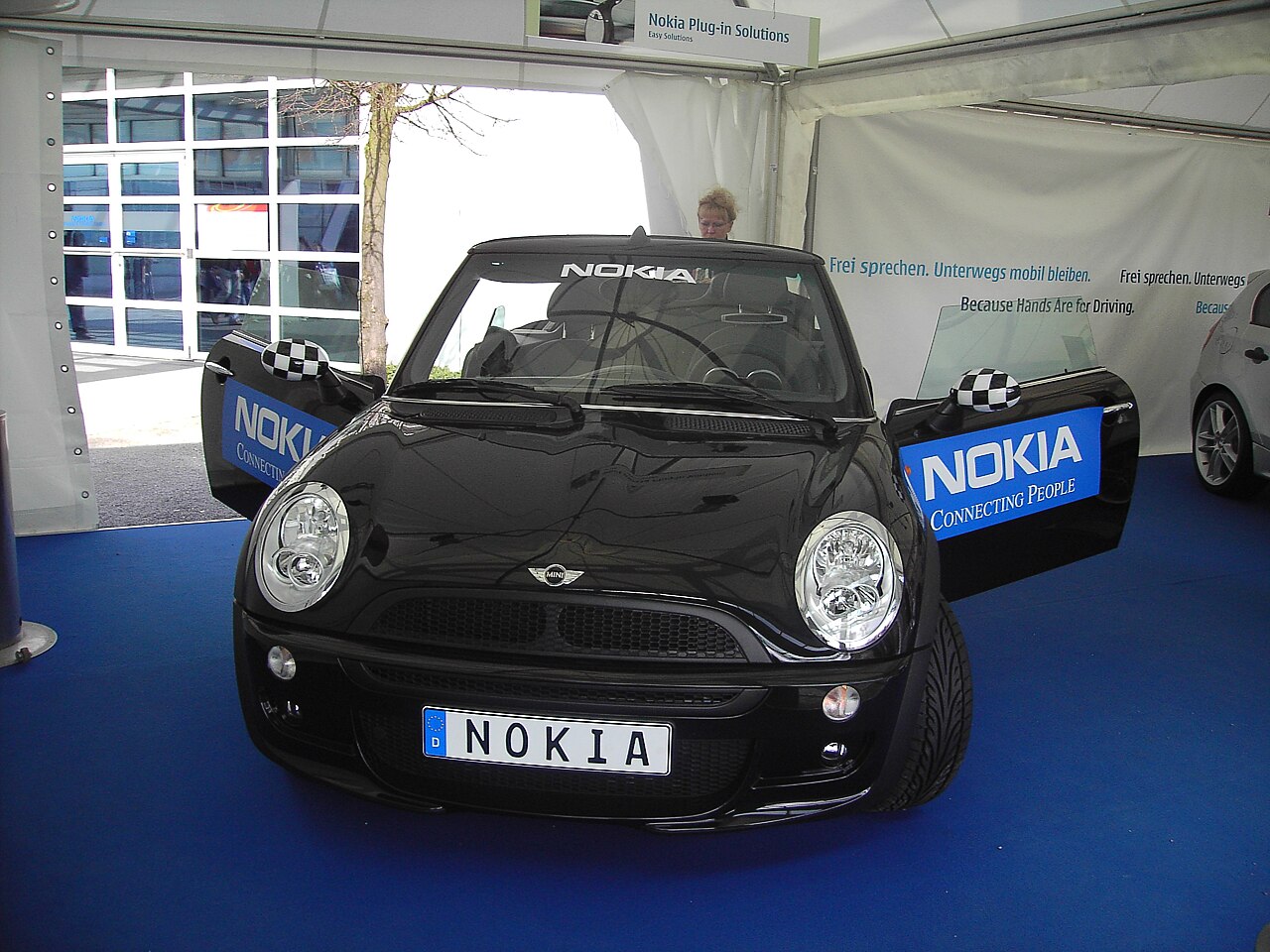
Frequently Asked Questions
Why did Nokia lose its phone business?
A string of strategic missteps and the rapid rise of competing smartphone ecosystems caused Nokia's market share to collapse in the late 2000s. By 2014 the company had sold its mobile phone division to Microsoft and stepped back from consumer devices entirely.
Why is Nokia important to the tech industry?
Nokia's legacy extends well beyond a decade of phone sales leadership; it is a major patent licensor whose work on cellular standards still underpins how mobile networks function today. Its journey from a 19th-century wood pulp operation to a cornerstone of global telecoms makes it a uniquely long-lived industrial story.
What does Nokia do today?
After exiting the consumer phone market, Nokia refocused on telecommunications infrastructure and technology licensing. The company now primarily supplies network equipment and monetizes a large portfolio of licensed patents.
More in Companies And Brands 1-23
Spotted an error? Know more?
This is a living reference — every entry is fact-audited, and reader corrections feed straight into our audit queue. Suggest an edit · See this site's audit record